
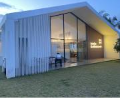
Portable cabins are prefabricated, modular, and relocatable units designed for rapid deployment as versatile, cost-effective space solutions. Often built from durable steel or high-quality materials, they offer exceptional mobility and customization for temporary offices, accommodation, or retail. These sustainable structures provide an efficient, low-maintenance alternative to traditional construction.
Key Features of Modern Portable Cabins
- Modular Construction: Factory-built in controlled environments, ensuring high quality and precise customization.
- Relocatable & Mobile: Easy to transport via trucks, these units can be reused and moved as needs change.
- Durable & Secure: Built with materials like steel and Aluminum, they are durable, resistant to harsh weather, and offer high security.
- Quick Installation: Drastically shorter project timelines compared to conventional building techniques, often featuring pre-installed electrical and plumbing systems.
- Sustainable & Eco-friendly: Environmentally conscious design options with minimal waste and lower energy consumption, explains a leading manufacturer.
Top Applications & Uses
- Portable Office Cabin: Ideal as on-site construction offices or mobile office spaces for businesses.
- Accommodation Units: Used for staff housing, temporary worker accommodation, or security cabins.
- Commercial & Retail: Suitable for pop-up retail stores, cafes, and exhibition kiosks.
- Public Services: Effective for mobile clinics, classrooms, and emergency shelters, notes a leading manufacturer.
Benefits Over Traditional Buildings
- Cost-Effective: Significantly lower upfront cost compared to building new brick-and-mortar structures.
- Flexibility: Provides instant space that can be expanded, reduced, or relocated.
- Low Maintenance: Built for longevity with durable materials requiring minimal repairs. [
Whether for temporary housing, industrial use, or a pop-up shop, Dream Portable Cabin suggests they offer the necessary intelligence, resilience, and adaptability for modern space management.